Description
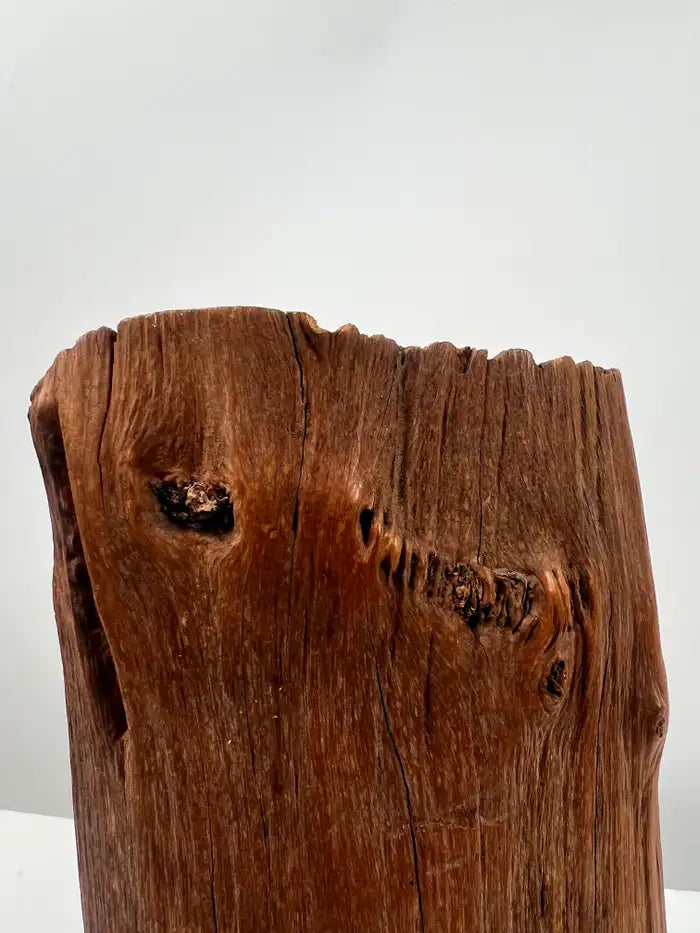
African Makonde Ebony “Tree of Life” Sculpture, 1970s Carved in rich ebony wood, this striking Makonde “Tree of Life” sculpture embodies the depth of East African tribal artistry and tradition. Originating from the Makonde people of Tanzania and Mozambique, the Tree of Life (or Ujamaa) motif represents unity, continuity, and the interconnectedness of family and community. The sculpture reveals a dynamic cluster of intricately carved human figures intertwined in harmonious rhythm, each rendered with expressive detail and individuality. The figures rise from the natural trunk form, their bodies merging seamlessly with the raw edge of the wood, symbolizing strength, growth, and resilience. The artist’s masterful carving achieves a dramatic interplay of light and shadow across polished ebony surfaces, emphasizing both the sculptural depth and the cultural narrative embedded in the work. Created during the 1970s, a period when Makonde carvings gained wide international recognition, this piece stands as both a fine example of traditional tribal art and a timeless symbol of collective heritage and endurance.
Description
African Makonde Ebony “Tree of Life” Sculpture, 1970s Carved in rich ebony wood, this striking Makonde “Tree of Life” sculpture embodies the depth of East African tribal artistry and tradition. Originating from the Makonde people of Tanzania and Mozambique, the Tree of Life (or Ujamaa) motif represents unity, continuity, and the interconnectedness of family and community. The sculpture reveals a dynamic cluster of intricately carved human figures intertwined in harmonious rhythm, each rendered with expressive detail and individuality. The figures rise from the natural trunk form, their bodies merging seamlessly with the raw edge of the wood, symbolizing strength, growth, and resilience. The artist’s masterful carving achieves a dramatic interplay of light and shadow across polished ebony surfaces, emphasizing both the sculptural depth and the cultural narrative embedded in the work. Created during the 1970s, a period when Makonde carvings gained wide international recognition, this piece stands as both a fine example of traditional tribal art and a timeless symbol of collective heritage and endurance.